
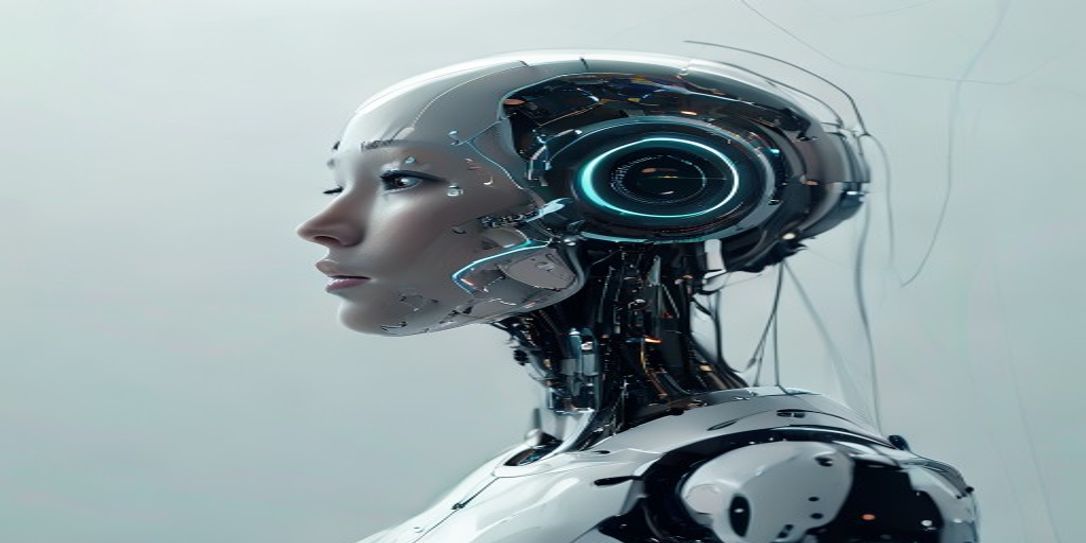
While headlines often focus on AI-driven layoffs and automation apocalypses, a quieter, more profound transformation is underway in workplaces worldwide. The narrative of direct human replacement is being supplanted by a more complex reality: AI is not just taking jobs; it is fundamentally reshaping them from the inside out.
The Rise of the AI Co-Pilot The most significant trend is the integration of AI as a ubiquitous "co-pilot." From software developers using GitHub Copilot to generate code to marketers leveraging AI for content ideation and data analysis, the technology is becoming a deeply embedded tool. This is leading to what experts call "task-level automation," where specific, often tedious components of a job are handled by AI, freeing human workers for higher-level strategy, creative problem-solving, and interpersonal tasks that machines cannot replicate.
The Skills Pivot This shift is triggering a massive reskilling imperative. Proficiency in prompt engineering—the art of effectively communicating with AI models—is rapidly becoming a core competency across fields. Similarly, skills like critical thinking, complex decision-making, and emotional intelligence are soaring in value. The workforce is bifurcating into those who can effectively leverage AI as a force multiplier and those who risk being left behind by the old ways of working.
The Productivity Paradox (and Promise) Early data presents a mixed picture. Some studies show dramatic productivity boosts—up to 40% in certain coding or writing tasks. However, other research highlights a "productivity paradox," where the time spent managing, correcting, and verifying AI output can offset gains. The true productivity revolution may not be in doing the same work faster, but in enabling entirely new forms of work and analysis that were previously impossible due to time or data constraints.
The Unseen Infrastructure This workplace evolution is powered by a frantic behind-the-scenes race in computing infrastructure. The demand for advanced GPUs and specialized AI chips is straining global supply chains, while energy consumption by massive data centers is sparking debates about sustainability. The companies controlling this infrastructure—cloud providers like AWS, Microsoft Azure, and Google Cloud—are becoming the gatekeepers of the AI-powered economy.
As the dust settles, the central question is no longer "Will AI take my job?" but "How will my job be transformed by AI, and am I prepared to adapt?" The silent shift suggests that the future of work belongs not to machines alone, but to the symbiotic teams of humans and AI that learn to collaborate most effectively.