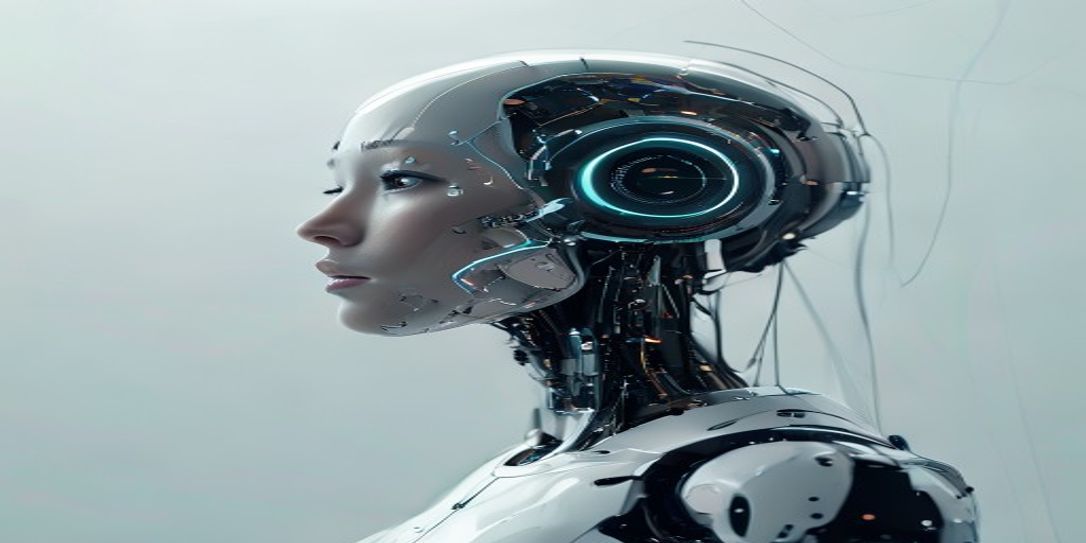
The narrative around artificial intelligence has long been dominated by a binary, dystopian debate: will AI create new frontiers of productivity or will it render human workers obsolete? A new wave of data and corporate case studies suggests the reality is more subtle, and perhaps more revolutionary. The true impact of generative AI and advanced automation is not mass layoffs, but a profound, silent re-architecting of work itself.
For the past year, companies from consultancies to software firms have been conducting a quiet experiment. Instead of replacing departments, they are integrating AI co-pilots into existing workflows. The result, as detailed in recent earnings calls and industry reports from firms like Accenture and Microsoft, isn't a reduced headcount, but a shift in output and role definition. Junior analysts are using AI to synthesize market research in hours instead of days, freeing them to focus on higher-level strategy and client interaction. Software developers report that AI-assisted coding tools handle routine boilerplate, allowing them to concentrate on complex architectural problems.
"This isn't about job replacement; it's about job evolution," says Dr. Anya Sharma, lead researcher at the Stanford Digital Economy Lab. "We are observing the 'decomposition' of traditional roles. Tasks are being redistributed between human and machine, creating a new hybrid workforce. The critical skill is no longer just domain expertise, but the ability to effectively manage and interrogate AI systems."
This shift brings significant challenges. The training gap is widening. Employees who quickly adapt to using AI as a collaborative tool are seeing their productivity—and value—soar. Those who resist or lack access to upskilling programs risk being left behind, not by a pink slip, but by irrelevance. Furthermore, this redistribution is exposing a new layer of managerial work: prompt engineering, AI output validation, and the ethical oversight of automated processes.
The economic implications are equally complex. Productivity metrics are becoming nebulous. If a team of five can now produce the output of a previous team of eight, does that represent a gain in efficiency or a hidden form of labor reduction over time? Economists are debating whether this will lead to a "productivity J-curve," where initial investment in AI integration leads to a temporary slowdown, followed by a steep rise in output and economic growth.
As the silent shift continues, the focus for businesses and policymakers is moving from fear of replacement to the urgent need for strategic adaptation. The question is no longer if AI will change the workplace, but how quickly organizations can redesign roles, retrain their people, and rethink the very nature of work to harness this hybrid potential. The AI revolution isn't happening in the unemployment line; it's happening at every desk, one augmented task at a time.