
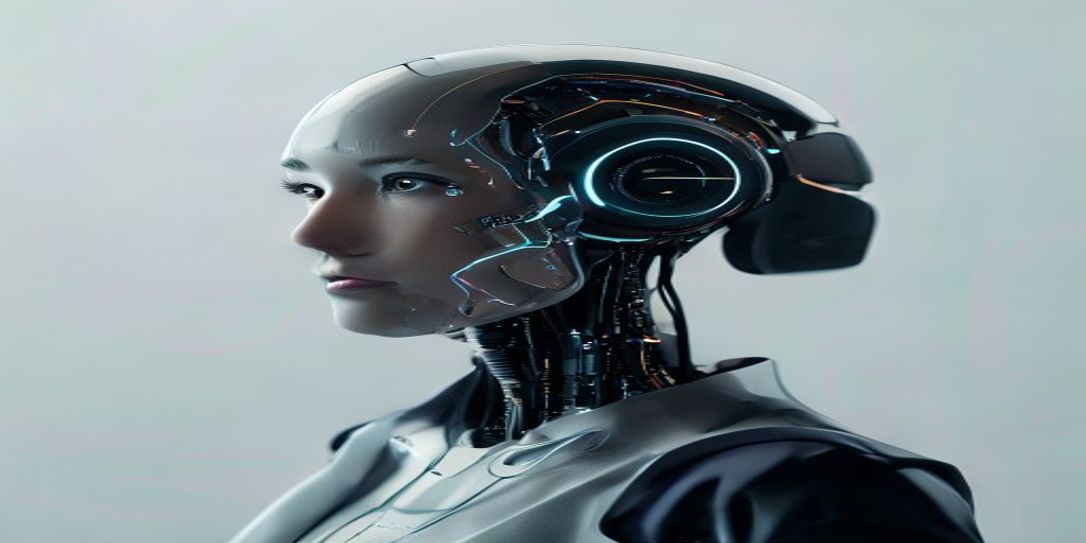
While headlines chase the latest chatbot drama or doomsday scenarios, a quiet revolution is unfolding in the background. Across industries, artificial intelligence is undergoing a pivotal transition: moving from a flashy demo tool to an embedded, operational engine driving tangible productivity gains. This shift, less about sentience and more about seamless integration, is reshaping the global economy from the ground up.
Beyond the Chat Window: AI in the Engine Room
The narrative is moving past ChatGPT. The real story is in the code completion of GitHub Copilot, shaving hours off development cycles. It's in the AI-powered design suggestions in CAD software accelerating engineering. It's in the predictive maintenance algorithms silently monitoring factory floors, preventing million-dollar outages. This "ambient AI" works not as a standalone product, but as a layer woven into the tools professionals use daily.
A recent report from the Stanford Institute for Human-Centered AI highlights this trend. Their 2024 AI Index showed that for the first time, a majority of corporate AI projects are now focused on "optimizing operations" and "enhancing existing products," rather than creating new AI-centric offerings. The ROI is measured not in viral tweets, but in reduced operational costs and faster time-to-market.
The New Productivity Paradox
This integration raises a new set of challenges. The gains are often diffuse and difficult to attribute—a 5% efficiency gain across a thousand workflows can be transformative yet invisible. Furthermore, it accelerates a skills shift. The value is moving from those who can use a tool to those who can orchestrate AI systems, define the right problems, and critically evaluate their output. Prompt engineering is becoming a foundational literacy.
The Regulatory Tightrope
This silent proliferation forces regulators into a difficult position. How do you govern a technology that is not a distinct product, but a component within everything? The EU's AI Act, with its risk-based tiers, attempts this, but enforcement on embedded systems will be complex. The focus is shifting from regulating "AI" as a monolith to governing specific high-risk applications, like biometric surveillance or critical infrastructure management.
The Road Ahead: Invisible Infrastructure
The future of AI looks less like a talking robot and more like intelligent infrastructure. It will be the unseen layer that optimizes logistics networks in real-time, personalizes educational pathways for students, or models complex climate scenarios. The companies and economies that thrive will be those that master this integration—not with the loudest announcements, but with the steadiest, most reliable gains.
The age of AI spectacle is giving way to the era of AI utility. The revolution, it turns out, will not be announced with a bang, but with a steady, upward curve on a productivity dashboard.