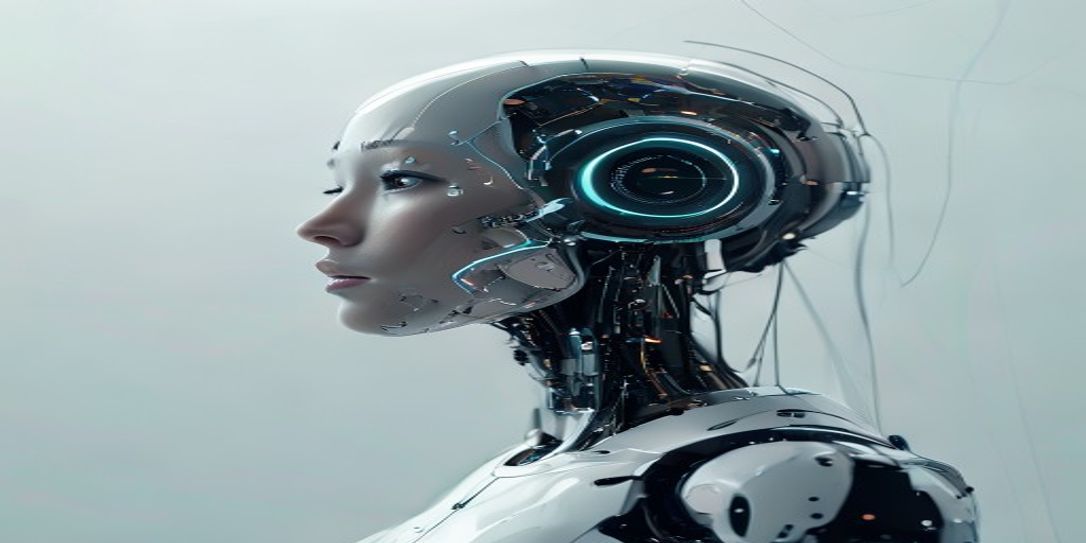
The narrative around artificial intelligence has long been dominated by a binary, dystopian debate: will AI create new frontiers of productivity or will it render human workers obsolete? However, emerging data and on-the-ground reports suggest the reality is more nuanced and already unfolding in a quieter, more transformative manner. The real story isn't about mass layoffs; it's about the silent, structural reshaping of roles, responsibilities, and the very definition of expertise.
The "Augmentation, Not Replacement" Model Takes Hold A recent study by the MIT Work of the Future initiative found that the majority of firms adopting AI are doing so to augment human capabilities, not eliminate positions. The most significant impact is occurring within job tasks, not job titles. For instance, software developers are increasingly using GitHub Copilot and similar code-completion tools, not to write less code, but to handle routine syntax and boilerplate functions, freeing them to focus on complex architecture and creative problem-solving. This "co-pilot model" is becoming standard across knowledge work, from legal document review to marketing content analysis.
The Rise of the AI Manager A new layer of responsibility is emerging: AI oversight and prompt engineering. Employees are now expected to manage AI tools—crafting precise prompts, critically evaluating outputs, and integrating generated content into a coherent, human-led strategy. This requires a new form of literacy. "The most valuable employee is no longer just the one with the deepest subject expertise," says Dr. Anya Sharma, a tech ethnographer at Stanford. "It's the one who can most effectively interrogate and collaborate with an AI, applying human judgment to synthetic outputs."
Productivity Gains and the Pressure Paradox Early-adopting companies report significant productivity boosts, sometimes in the range of 20-40% for specific tasks. This creates a paradoxical pressure: the expectation for output increases, even as the nature of the work changes. The risk, experts warn, is a potential "productivity cliff" where human oversight is stretched too thin, or where over-reliance on AI leads to a homogenization of ideas and the erosion of institutional knowledge built through hands-on experience.
The Skills Pivot The silent shift is forcing a rapid reskilling movement. Technical skills in data literacy, AI interface design, and output validation are skyrocketing in demand. Simultaneously, so-called "soft skills"—critical thinking, ethical reasoning, creativity, and emotional intelligence—are becoming the irreplaceable human differentiators. Educational institutions and corporate training programs are scrambling to pivot, emphasizing a hybrid curriculum that blends AI fluency with deeply human capabilities.
The true transformation powered by AI may not be headline-grabbing job cuts, but a fundamental, quiet recalibration of every job description. The question for organizations and individuals is no longer if AI will change work, but whether they are building the culture and competencies to manage the AI-augmented human, not just the technology itself.