
While headlines tout AI's revolutionary potential, a growing chorus of experts is shifting focus to the hidden human infrastructure powering the boom. The narrative is moving beyond mere capability to question the ethical and economic foundations of the systems we're building.
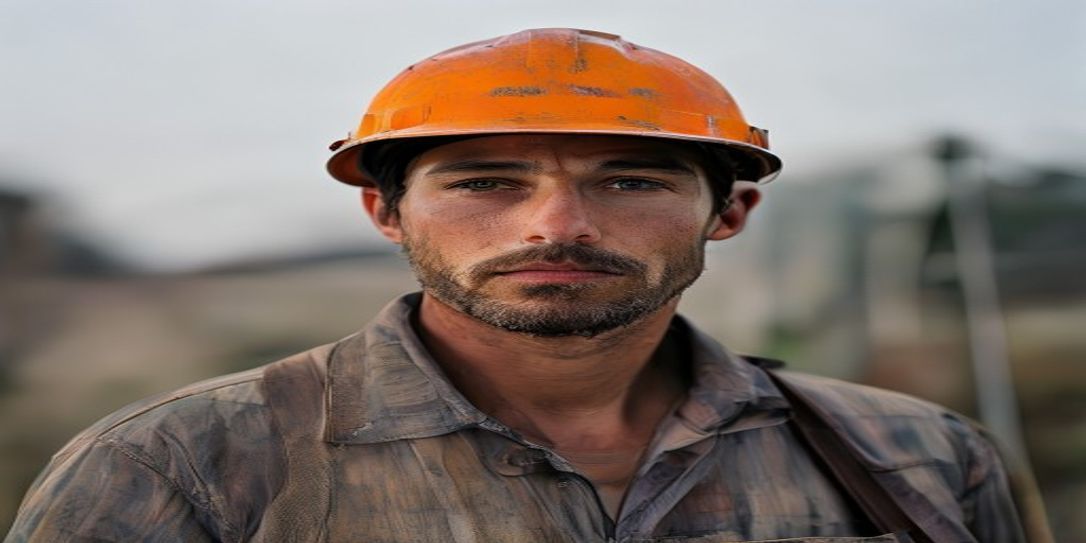
The Data Engine Room Every major large language model and image generator is trained on petabytes of data, meticulously cleaned, categorized, and labeled by a global, often invisible, workforce. Recent investigations have highlighted that this "artificial" intelligence is profoundly human-made at its core, relying on under-compensated laborers in remote locations performing repetitive tasks to filter toxic content or tag objects.
The Sustainability Question As models grow exponentially in size, so does their energy appetite. Training a single flagship model can consume more electricity than a hundred homes use in a year. Tech firms are now racing to develop more efficient chips and algorithms, not just for cost, but to pre-empt regulatory pressure and growing environmental concerns. The next benchmark may not be raw performance, but performance-per-watt.
Regulation Catches Up The European Union's AI Act has set a blueprint for risk-based governance, and other regions are following suit. The focus is shifting from voluntary ethics pledges to enforceable rules around transparency, bias auditing, and high-risk applications. This legal scaffolding is forcing companies to document their data lineages and model behaviors—a seismic shift in development culture.
The Open-Source Counterwave In response to the consolidation of AI power within a few well-funded corporations, a vigorous open-source movement is gaining traction. These community-developed models, while sometimes less powerful, offer transparency and customizability, challenging the closed API-dominated business model and empowering niche applications.
The conversation is no longer simply about what AI can do, but about how it is built, who benefits, and at what cost. The industry's greatest challenges are increasingly human, not technical.