
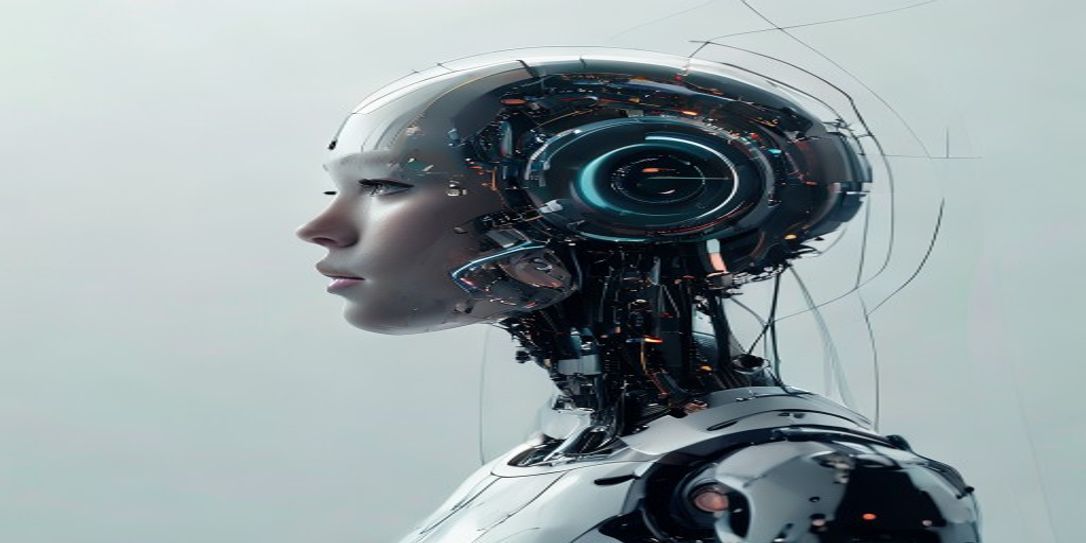
In a quiet revolution with seismic implications, artificial intelligence is no longer just a tool for software developers—it is becoming their most prolific collaborator. The latest generation of AI coding assistants, powered by models that understand context and intent, is fundamentally altering the pace, economics, and very nature of how software is built.
From Autocomplete to Autopilot
Gone are the days of simple code suggestion. Modern systems like GitHub Copilot, Amazon CodeWhisperer, and a slew of open-source alternatives now generate entire functions, debug complex errors, and write unit tests from natural language prompts. Developers describe what they need in plain English, and the AI drafts the code in real-time. Early studies suggest these tools can boost individual productivity by 30-50%, not by replacing developers, but by handling the repetitive boilerplate and tedious debugging that consumes a significant portion of the workday.
The New Developer Workflow: AI as a Co-Pilot
The impact is most visible in the workflow. The traditional cycle of "think, type, compile, debug" is collapsing into a more fluid conversation. A developer might prompt, "Create a function to validate an email address and handle common typos," and receive a robust, syntactically correct block of code in seconds. This shifts the developer's primary role from coder to architect, reviewer, and specifier—focusing on high-level design and logic while the AI handles the implementation details.
The Double-Edged Sword of Acceleration
This acceleration brings profound challenges. Code quality and security are paramount concerns. AI models trained on vast public repositories of code can inadvertently reproduce bugs, vulnerabilities, or even licensed code. This places a new burden on developers to possess deep critical review skills, understanding the AI's output rather than blindly accepting it. Furthermore, the industry faces a looming question: as AI masters the syntax, does the value shift entirely to the deeper, more creative problem-solving that defines complex system architecture?
The Future: Democratization and Specialization
Looking ahead, the trajectory points toward two major shifts. First, democratization: AI lowers the barrier to entry, allowing professionals in other fields (biologists, financiers, artists) to build tools tailored to their needs by describing them. Second, specialization: The role of the elite software engineer may evolve into that of an "AI whisperer" or a systems composer, orchestrating multiple AI agents to tackle grander, more integrated challenges.
The silent shift is well underway. The metric of success is no longer lines of code written, but problems elegantly solved. The software development environment has become, in essence, the first true human-AI collaborative workspace, setting a precedent for how knowledge work will be transformed across every industry.