
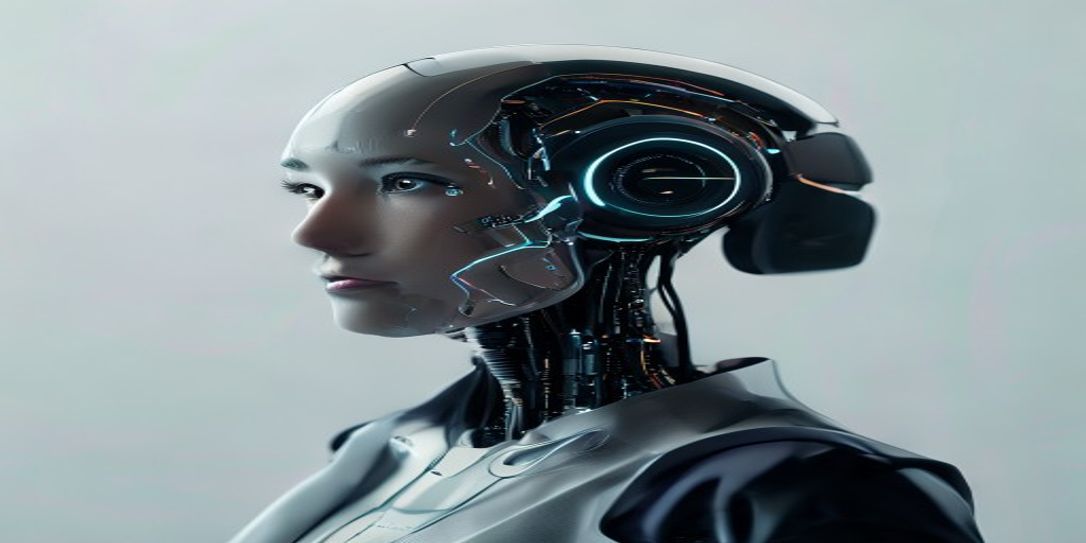
While headlines chase the latest chatbot drama or doomsday scenarios, a quiet revolution is unfolding in the background. Across industries, artificial intelligence is undergoing a pivotal transition—from a flashy novelty to an embedded, essential utility. This shift, less about sentient machines and more about seamless integration, is redefining productivity at a fundamental level.
Beyond the Chat Window: The "Invisible" AI Boom
The narrative has moved beyond ChatGPT. The most significant AI advancements are now occurring in the background, powering tools that don't scream "AI." Developers are leveraging large language models (LLMs) through APIs to enhance existing software. Code completion in IDEs like GitHub Copilot, real-time data synthesis in spreadsheets, and automated design adjustments in creative suites are becoming standard. This "ambient AI" works within established workflows, augmenting human effort rather than replacing it in a single, dramatic stroke.
The Hardware Arms Race Heats Up
This software integration is fueling an unprecedented demand for specialized processing power. The competition between chipmakers like NVIDIA, AMD, and Intel, alongside cloud giants developing their own silicon (like Google's TPUs and AWS's Trainium), is intensifying. The focus is on efficiency: creating chips that can handle massive AI workloads faster and with lower energy consumption. This hardware foundation is the unglamorous bedrock upon which the next generation of AI applications will be built.
The Regulatory Pendulum Swings
As AI becomes more woven into the fabric of business and society, regulatory scrutiny is hardening. The European Union's AI Act has set a precedent with its risk-based framework, and other regions are following suit. The debate is centering on transparency, data provenance, and accountability. Companies are now forced to build "auditability" into their AI systems from the ground up, shifting from a "move fast and break things" ethos to one of measured, documented deployment. This pressure is accelerating the field of MLOps (Machine Learning Operations), focusing on the governance and lifecycle management of AI models.
The New Productivity Calculus
The ultimate impact is a recalibration of productivity. The metric is no longer just output per hour, but the complexity of problems a human-AI team can solve. AI is handling repetitive cognitive tasks—data sorting, preliminary draft generation, code debugging—freeing human professionals for higher-order strategy, creative synthesis, and ethical oversight. This partnership model suggests that the most valuable future skills may not be pure AI expertise, but the ability to effectively direct and interrogate AI tools.
The age of AI as a standalone spectacle is over. The new chapter is one of assimilation, where its most profound effects will be felt not in a chatbot's reply, but in the quiet acceleration of everything from scientific discovery to logistical planning. The revolution, it turns out, will be integrated.