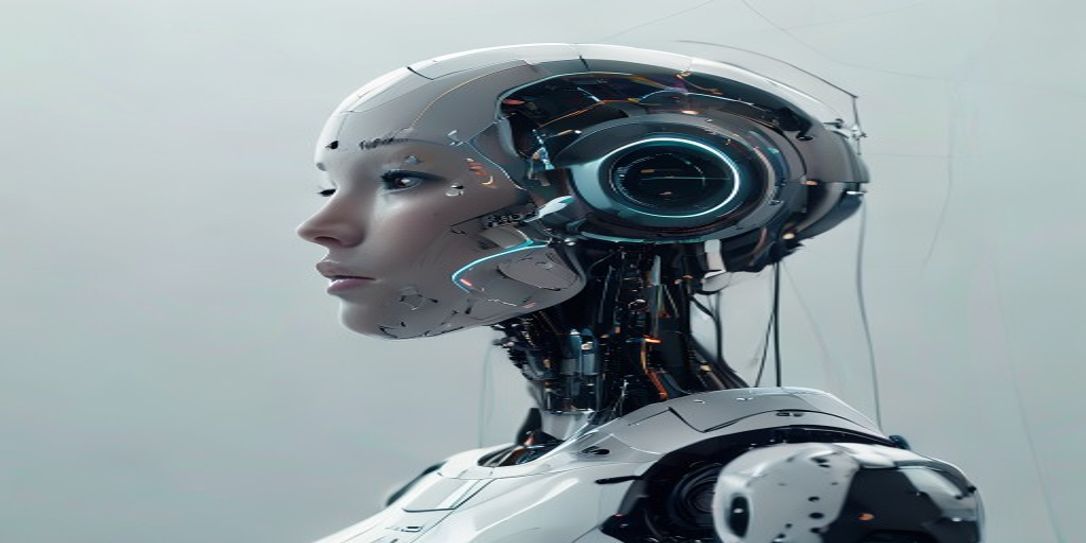
While flashy chatbots and image generators dominate headlines, a more profound—and often invisible—transformation is underway. Across the globe, artificial intelligence is being woven into the very fabric of the internet's infrastructure, fundamentally altering how the web is built, delivered, and experienced. This silent shift promises greater efficiency but also raises critical questions about centralization and the future of online creativity.
The Engine Room of the Modern Web
The change is most evident in the platforms that power the internet. Major cloud providers like Amazon Web Services, Google Cloud, and Microsoft Azure are aggressively integrating AI not just as a service, but as a core systems operator. AI models now dynamically manage data center cooling to slash energy use, predict and reroute network traffic to prevent congestion, and automatically detect and counter cyberattacks in real time.
Furthermore, the tools for building websites and applications are becoming AI-native. Coding assistants like GitHub Copilot are evolving from simple autocomplete tools into proactive collaborators that can generate entire functions and suggest architectural improvements. For non-technical users, AI-powered website builders can now create sophisticated, responsive sites from a text prompt, lowering the barrier to entry but also homogenizing design patterns.
The Personalized and the Procedural
On the front end, the user experience is becoming intensely personalized. AI curates not just social media feeds, but now entire shopping experiences, news aggregations, and search results. The shift is from pulling information from the web to having an AI agent push a bespoke, synthesized reality to each user. This creates a potent efficiency paradox: a web that knows exactly what you want, but may never show you what you don't know you need.
Simultaneously, a staggering portion of web content itself is now AI-generated. From product descriptions and news summaries to social media posts and even illustrative images, procedural content creation is on the rise. This drives an explosion in volume and accessibility but also floods the digital ecosystem with "zombie content"—material created for algorithms rather than humans, potentially diluting quality and eroding trust.
The Centralization Conundrum
This AI integration comes with a significant cost: increased centralization. The computational horsepower and vast datasets required to train state-of-the-art models are concentrated in the hands of a few tech giants. As smaller businesses and developers come to rely on these companies' AI APIs for critical functions, they risk locking the internet's next layer of innovation into a handful of proprietary platforms.
The environmental impact also remains a pressing concern. Despite improvements in efficiency, the sheer scale of AI computation contributes to massive energy and water consumption, prompting a race for both smarter algorithms and more sustainable hardware.
Navigating the Invisible Revolution
As AI ceases to be a standalone tool and becomes the underlying substrate of the internet, the challenge for policymakers, developers, and users is to steer its integration. The focus is shifting from awe at AI's capabilities to urgent discussions about digital sovereignty, open-source alternatives to monolithic models, and the establishment of ethical guardrails for automated systems.
The internet is undergoing its most significant metamorphosis since the mobile revolution. This time, however, the change is not in the device in our hands, but in the invisible logic of the network itself. The goal is no longer just a faster web, but an intelligent one—a transition that will define whether the next digital era is more equitable and creative, or merely more efficient and controlled.