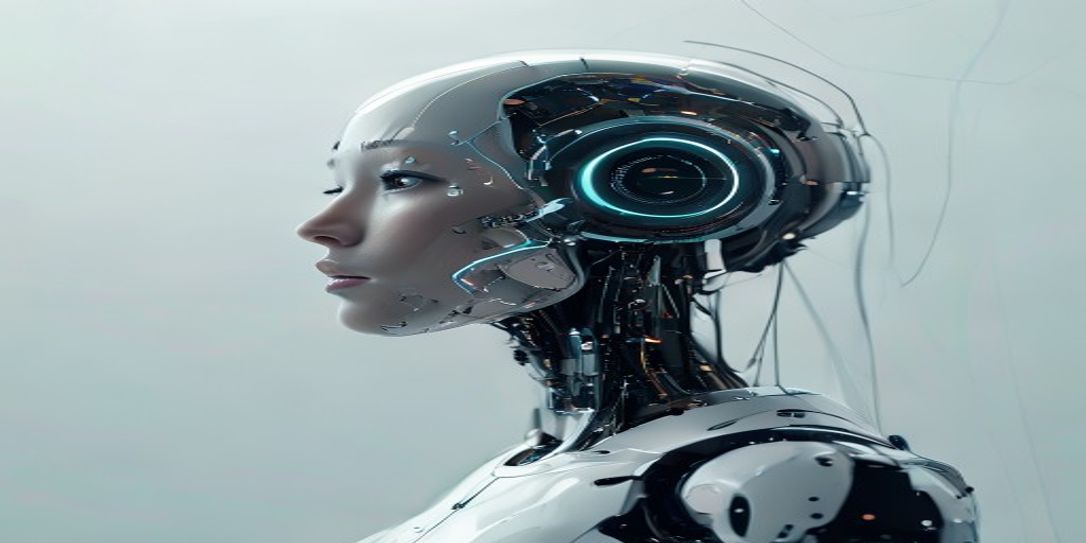
The narrative around artificial intelligence has long been dominated by a binary, dystopian fear: the wholesale replacement of human workers by machines. Headlines scream of job apocalypses and mass unemployment. Yet, a quieter, more profound transformation is unfolding in the background of global industry—one that is reshaping the very nature of work itself, often without eliminating a single job title.
The Augmentation Imperative
Instead of acting as a direct substitute, advanced AI models and copilots are increasingly being deployed as force multipliers. In sectors from software engineering to legal contract review, AI tools are handling the repetitive, time-consuming components of a job. A developer might use GitHub Copilot to generate boilerplate code, freeing up hours for complex architectural design. A marketing analyst can leverage AI to synthesize terabytes of consumer data, allowing them to focus on crafting the overarching strategy.
This "augmentation" model is leading to a subtle but critical shift in job descriptions. The value of a role is less about the execution of discrete tasks and more about human-centric skills—critical thinking, creative problem-solving, emotional intelligence, and ethical oversight. The job isn't gone; its center of gravity has moved.
The Productivity Paradox and the "Shadow Workforce"
Early data reveals a curious effect. Companies implementing AI tools are reporting significant spikes in individual productivity. However, these gains are not yet translating into broad-based economic growth or reduced headcounts. One explanation is the emergence of a "shadow workforce"—the same number of employees, now capable of a higher volume and complexity of work.
This creates a new pressure point: the skills gap. The most immediate risk isn't unemployment, but "deskilling" or the inability of a workforce to adapt to the new tools. Employees who cannot effectively partner with AI may find their roles diminished, even as new, hybrid positions emerge. The divide is becoming less between human and machine, and more between those who can harness AI and those who cannot.
The Uncharted Territory of AI Management
This shift introduces novel challenges for leadership and corporate culture. How is performance measured when an employee's output is a collaboration with an AI? Who owns the intellectual property generated through an iterative dialogue with a large language model? Furthermore, an over-reliance on AI systems can lead to "automation bias," where humans defer to machine judgment even in the face of contradictory evidence.
The regulatory landscape is scrambling to catch up. Questions of liability, data privacy, and transparency in AI-assisted decisions are moving from theoretical debates to urgent boardroom concerns.
The Path Forward: Integration Over Replacement
The evolving story of AI in the workplace is not a simple substitution tale. It is a complex integration challenge. The companies poised to succeed are those investing not just in technology, but in continuous human reskilling, rethinking team structures around human-AI collaboration, and establishing clear ethical guidelines for this new partnership.
The silent shift is ultimately a human one. It demands a reevaluation of what makes us uniquely valuable in an age of intelligent machines. The future of work may not be about competing with AI, but about mastering the art of working alongside it.