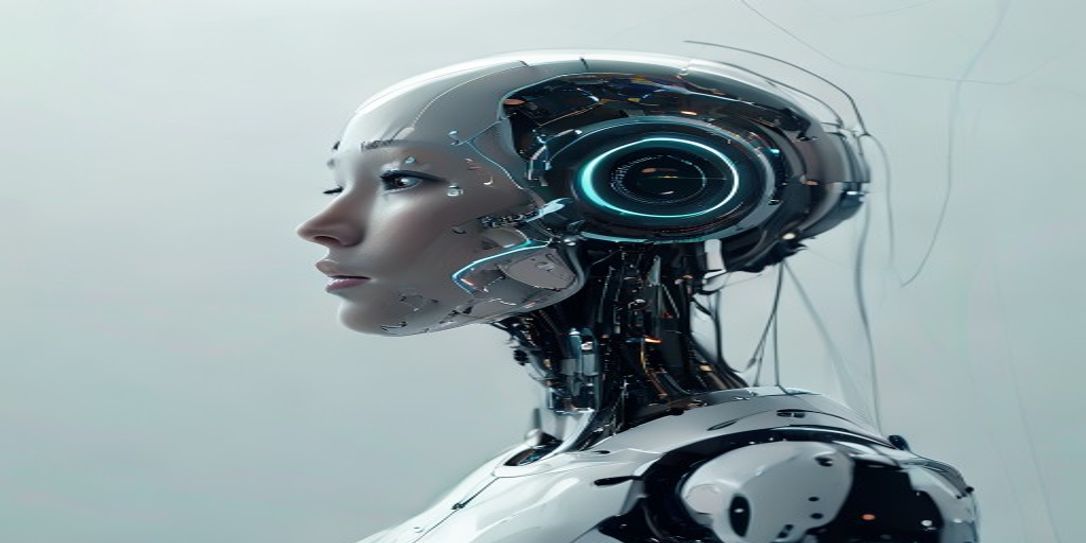
The narrative around artificial intelligence has long been dominated by a binary debate: job creation versus job destruction. Headlines warn of mass unemployment, while tech CEOs promise a future of unparalleled productivity. But a quieter, more profound transformation is underway in offices, factories, and studios worldwide. AI is not just automating tasks; it is fundamentally redefining what it means to do a job, reshaping roles from the inside out.
From Task Automation to Role Evolution Early automation targeted repetitive, rules-based tasks. Today's generative AI models—like those powering advanced chatbots, code assistants, and design tools—are different. They are augmentative, acting as co-pilots for cognitive labor. A software developer now spends less time writing boilerplate code and more time on system architecture and complex problem-solving. A marketing manager delegates first-draft copy and basic graphic generation to AI, pivoting to high-level strategy and brand narrative.
This shift is less about eliminating positions and more about "task inflation," where the expectations and output quality for a single role are rapidly escalating. The job title remains, but the daily responsibilities are being quietly rewritten by AI capabilities.
The Data Layer: AI as the New Infrastructure Beyond individual productivity, companies are undergoing a structural change. AI is becoming the essential layer for interpreting the massive data streams modern businesses generate. Predictive analytics forecast supply chain disruptions, while AI-driven customer insight platforms personalize engagement at scale. This isn't a tool a worker uses; it's a system they work within. Success now hinges on asking the right questions of these systems and interpreting their often-opaque outputs—a skill set blending domain expertise with "AI literacy."
The Emerging Skills Chasm This redefinition is exposing a critical skills gap. Technical proficiency in prompting, validating AI outputs, and integrating AI tools into workflows is becoming as fundamental as spreadsheet skills were a decade ago. Simultaneously, soft skills—critical thinking, creativity, ethical judgment, and complex communication—are skyrocketing in value. They are the human counterpoints to AI's capabilities, the areas where human intuition and empathy still dominate. The workforce is bifurcating into those who can effectively partner with AI and those who risk being left behind by its silent integration.
The Unanswered Questions This transition raises urgent, unresolved questions. How do we measure productivity and value when AI is a silent contributor? What does career progression look like in an AI-augmented role? And critically, who owns the intellectual property generated in a collaborative loop between human and machine? The legal and ethical frameworks are lagging far behind the technological reality.
The true story of AI in the workplace is not one of dramatic layoffs, but of a pervasive, silent shift. It is a story of job metamorphosis, where the very substance of work is being altered, demanding a new contract between workers, employers, and the intelligent tools that are now their constant collaborators. The future of work is not a battle between humans and machines, but a complex, evolving partnership that we are only beginning to understand.