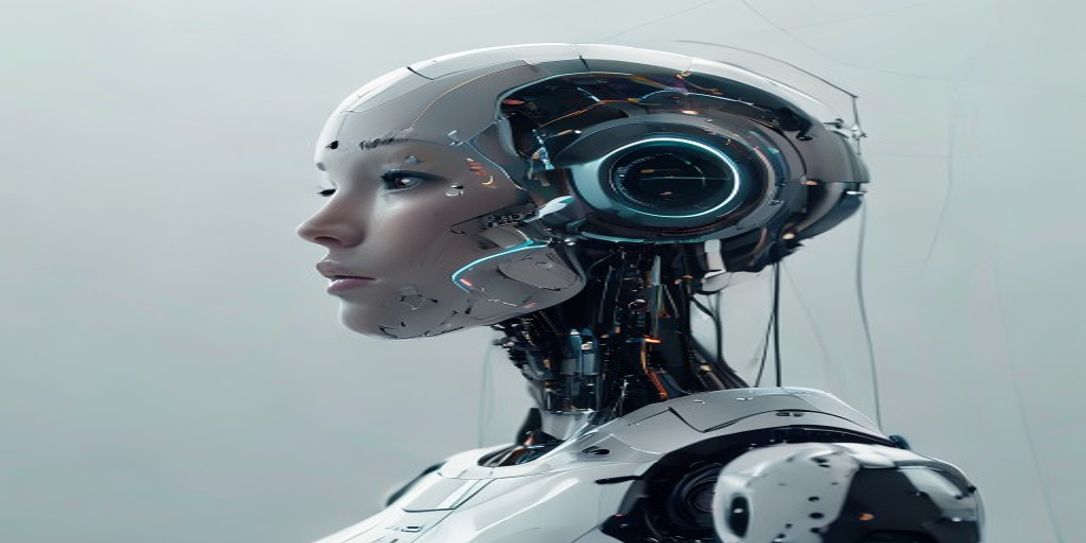
While flashy chatbots and image generators dominate headlines, a more profound—and often invisible—transformation is underway. Across the globe, artificial intelligence is being woven into the very fabric of the internet's infrastructure, fundamentally altering how the web is built, delivered, and experienced. This silent shift promises greater efficiency but also raises critical questions about centralization and the future of online creativity.
The Engine Room of the New Web
The change is most evident in the tools developers now use. Major cloud providers like Amazon Web Services, Microsoft Azure, and Google Cloud are aggressively integrating AI directly into their platforms. Developers can now summon pre-trained models for translation, content moderation, or data analysis with just a few lines of code, bypassing years of specialized work. Furthermore, AI-powered coding assistants, such as GitHub Copilot, are becoming standard, suggesting entire code blocks and functions in real-time.
On the front end, the user experience is becoming adaptive. Streaming services use AI to optimize video quality dynamically based on bandwidth, while e-commerce platforms instantly personalize layouts and product recommendations for each visitor. Even the core process of searching is evolving beyond a list of blue links to AI-synthesized answers, changing how information is discovered and consumed.
The Centralization Paradox
This AI-driven efficiency comes with a potential cost: increased centralization. Training state-of-the-art large language models requires computational resources and datasets so vast that only a handful of tech giants can compete. As smaller companies and independent developers come to rely on these proprietary AI APIs and cloud services, the internet's foundational architecture risks consolidating around a few key players.
"The risk is an internet where innovation is dictated by the architectural and ethical choices of two or three corporate boards," notes Dr. Anya Sharma, a professor of digital ecosystems at Stanford. "The open web was built on interoperable standards; we must ensure AI doesn't create a new set of walled gardens."
A New Creative Layer Emerges
Beyond infrastructure, AI is generating a new layer of content. From AI-written product descriptions and news summaries to algorithmically generated stock imagery and social media posts, a growing portion of the web's content will have no direct human author. This raises urgent challenges around authenticity, copyright, and the saturation of low-quality, SEO-optimized material. Conversely, it also unlocks new tools for artists and writers, who use AI as a collaborative partner for brainstorming and prototyping.
Looking Ahead: The Human-Centric Web
The trajectory is clear: AI will become the internet's default operating system. The critical question for the coming year is not if this will happen, but how. The focus is shifting from raw capability to implementation—ensuring these systems are reliable, unbiased, and augment human effort rather than replacing it entirely. The next phase of the internet's evolution will be defined by our ability to guide this powerful technology toward a web that remains dynamic, diverse, and ultimately, human-centric.