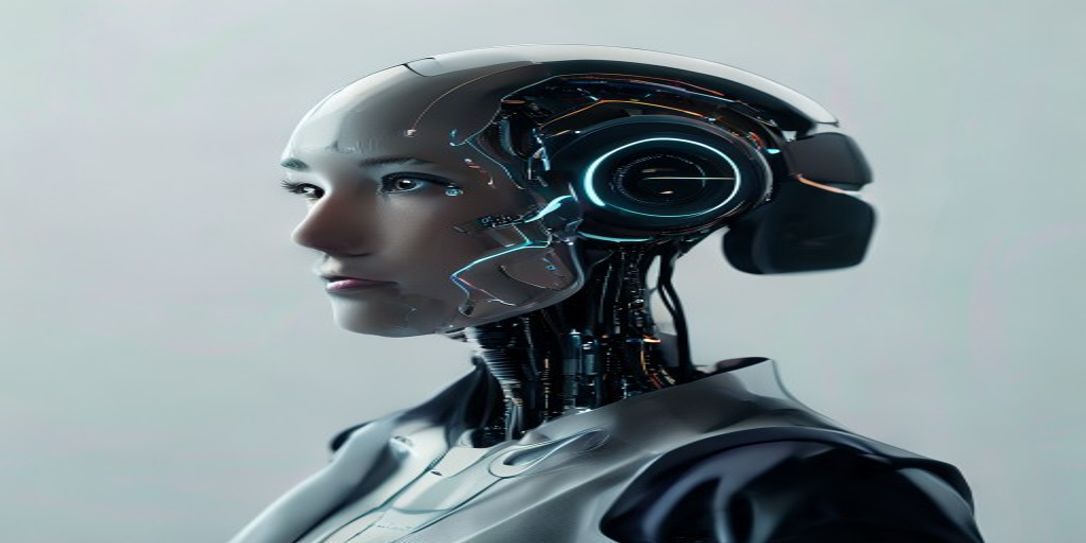
While headlines chase the latest chatbot drama or doomsday scenarios, a quiet revolution is unfolding in the background. Across industries, artificial intelligence is undergoing a critical transition: moving from a flashy demonstration of potential to an embedded, operational tool that is tangibly—and often invisibly—redefining productivity.
Beyond the Chat Interface
The narrative has long been fixated on generative AI's ability to draft emails or create images. However, the most significant impact is occurring in less glamorous domains. Machine learning models are now optimizing global shipping logistics in real-time, predicting mechanical failures in factories weeks in advance, and managing complex energy grids to integrate renewable sources efficiently. This "boring AI" lacks a conversational interface but delivers billion-dollar efficiencies.
The Infrastructure Arms Race
This shift is fueling an under-the-radar infrastructure war. Companies are not just building models; they are racing to construct the specialized data pipelines, inference engines, and custom silicon required to run AI at scale. The focus is shifting from parameter count to cost-per-inference and latency. Tech giants and startups alike are betting that the winner won't necessarily have the smartest AI, but the most scalable and affordable one.
The New Skillset Divide
As AI tools become operational, a new skillset is emerging as paramount: the ability to critically evaluate, refine, and govern AI output. The role of the "AI whisperer" or prompt engineer is evolving into that of an "AI foreman"—someone who integrates these tools into workflows, audits their performance, and ensures they align with business and ethical standards. This is creating a new professional divide, separating those who can effectively collaborate with AI systems from those who are displaced by them.
The Regulatory Tightrope
Governments worldwide are scrambling to craft legislation for a technology that is already deeply embedded. The central challenge is regulating a dual-use tool that is both a productivity engine and a potential source of disruption, without stifling the innovation driving economic growth. The EU's AI Act and similar frameworks are first attempts at this balancing act, focusing initially on high-risk applications while leaving most enterprise tools in a grey zone.
The era of AI as a speculative future is over. It is now a present-day operational reality, and its most profound effects are not in what it can say, but in what it silently does.