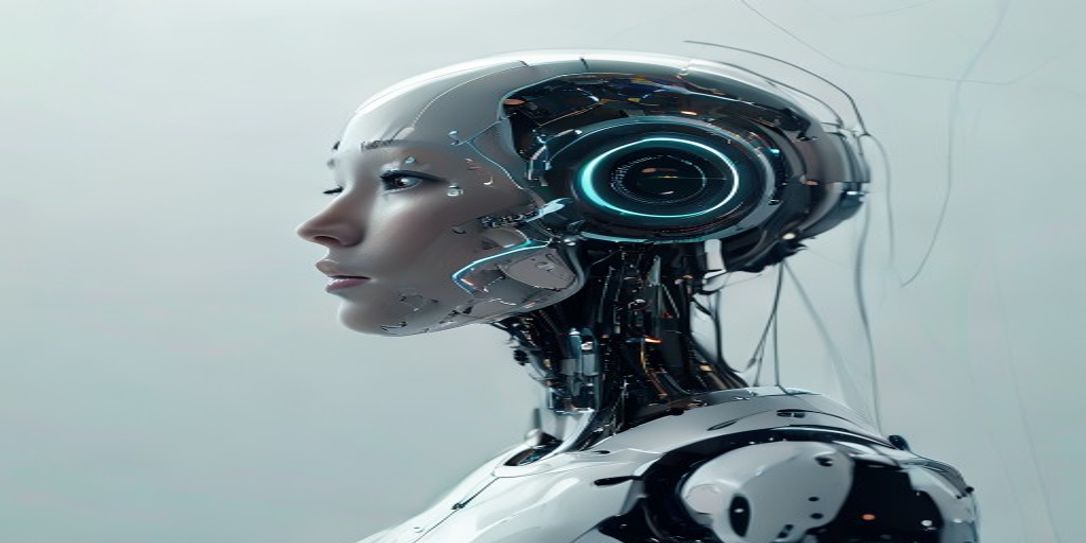
The narrative around artificial intelligence has long been dominated by a binary, dystopian fear: the wholesale replacement of human workers by machines. Headlines scream of job apocalypses and mass unemployment. Yet, a quieter, more profound transformation is unfolding in the background of global industries—one not of replacement, but of radical augmentation and silent task displacement.
The Augmentation Economy Emerges
Recent data from productivity software firms and enterprise surveys reveals a telling trend. The initial wave of generative AI integration is not leading to layoffs en masse. Instead, it is creating what economists are calling an "augmentation economy." Tools like GitHub Copilot are not firing coders; they are helping them write routine code faster, shifting their focus to complex architecture and creative problem-solving. In marketing departments, AI copywriting tools are handling first drafts and A/B testing variations, freeing human strategists to craft overarching brand narratives and emotional campaigns.
This shift is less about eliminating positions and more about evaporating specific, often tedious, tasks. A recent study by a leading management consultancy found that up to 30% of tasks across 800 occupations could be automated by current AI, but this rarely equates to 30% of jobs being lost. It equates to jobs being fundamentally redesigned.
The New Skills Premium
This silent shift is accelerating a new kind of skills divide. The premium is no longer solely on who can perform a task, but on who can best orchestrate AI to perform a suite of tasks. The most valuable employee in the near-future office may be the "prompt engineer," the strategic editor, or the AI workflow manager—roles that didn't exist five years ago.
"The job description for a business analyst, a legal researcher, or a graphic designer is being rewritten in real-time," says Dr. Anya Sharma, a labor economist at the Institute for the Future of Work. "The core human skills—critical judgment, ethical reasoning, cross-contextual understanding, and interpersonal empathy—are becoming the central pillars of these roles, while the AI handles the computational heavy lifting."
The Hidden Challenges
This transition is not without its perils. The risk is a growing "competency canyon" between those who can effectively leverage AI as a partner and those who are left using outdated methods. Furthermore, the silent displacement of tasks can lead to wage stagnation for roles that are not formally eliminated but are devalued by AI assistance. There is also the looming question of who owns the output of an AI-human collaboration and how to measure productivity in this new hybrid model.
Looking Ahead
The true impact of AI on work may not be measured in unemployment figures, but in job satisfaction surveys, retraining enrollment numbers, and the proliferation of new, hybrid job titles. The corporate challenge is no longer just adoption of technology, but the redesign of workflows, career ladders, and educational support systems to navigate this silent shift.
The revolution, it seems, will not be televised with pink slips. It will be logged in the quiet efficiency of a refined workflow, the creative leap made possible by freed-up time, and the gradual, relentless redefinition of what it means to be skilled in the 21st century.