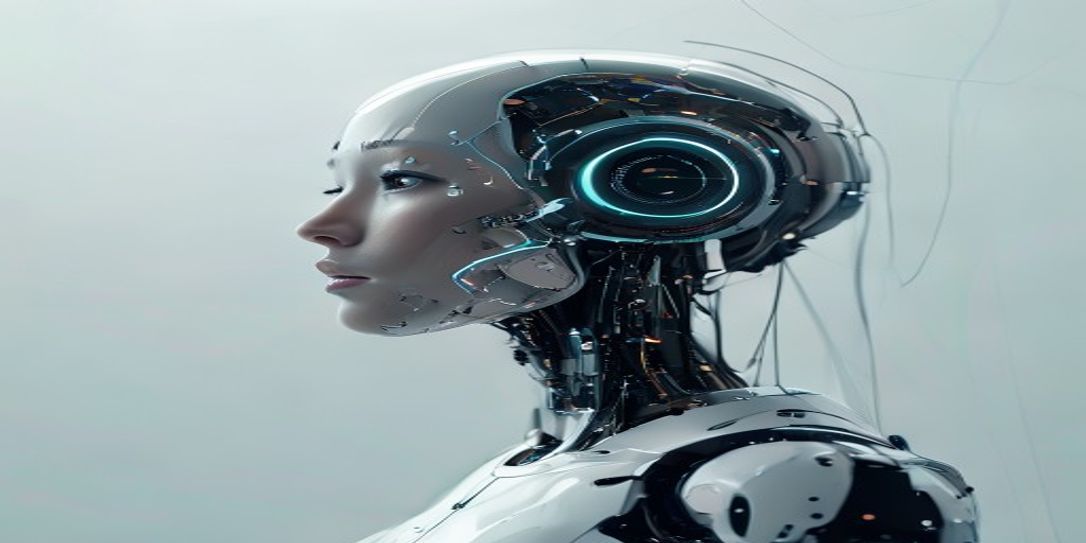
While headlines often focus on AI-driven layoffs and automation apocalypses, a quieter, more profound transformation is underway in offices and industries worldwide. The narrative of direct human replacement is being supplanted by a more complex reality: AI is not just taking jobs; it is fundamentally reshaping them from the inside out.
The "Co-Pilot" Becomes Standard Issue The most significant trend is the integration of AI as a ubiquitous assistant. From code completion in GitHub Copilot to content drafting in marketing suites and data analysis in spreadsheets, AI tools are becoming embedded in the software fabric of every profession. This is leading to what economists call "task-based" evolution, where specific duties within a role are augmented or accelerated, freeing human workers for higher-level strategy, creative direction, and nuanced decision-making. The job title remains, but its daily substance is changing irrevocably.
The New Skills Currency This shift is creating a fierce demand for "AI fluency." The most valuable employees are no longer just those with deep domain expertise, but those who can effectively interrogate, guide, and edit the output of AI systems. Prompt engineering—the art of crafting precise instructions for generative AI—has emerged as a critical, if often informal, skill. Simultaneously, soft skills like critical thinking, ethical judgment, and emotional intelligence are skyrocketing in value as they represent the last bastion of unequivocally human advantage.
The Productivity Paradox and the Data Chasm Early data presents a paradox. Studies show dramatic productivity boosts for individual tasks using AI, yet macroeconomic productivity growth remains elusive. Analysts point to a period of transition and investment absorption. Furthermore, a new divide is forming: the AI Data Chasm. Companies with vast, clean, proprietary datasets are training hyper-efficient internal models, leaving smaller players reliant on generic, public tools. This gap could consolidate power in ways more structural than any single job displacement.
The Unseen Labor Beneath the sleek interfaces lies an often-overlooked human ecosystem. The refinement of large language models still depends on armies of human data labelers and content moderators training AI on subtlety and safety. The AI economy is, in part, creating a new tier of digital labor—work that is essential yet frequently outsourced, undervalued, and psychologically taxing.
Regulation Racing Against Integration Policymakers are scrambling to catch up. The EU's AI Act and nascent frameworks in the US and elsewhere aim to govern high-risk applications, but the pace of commercial integration is staggering. The core challenge for regulation is no longer just about curbing dystopian excess, but about managing a gradual, pervasive change in the very nature of white and blue-collar work—addressing issues of bias, transparency, and intellectual property that are baked into daily workflows.
The true story of AI in 2024 is not one of sudden human obsolescence, but of a silent, steady renegotiation of the contract between human capability and machine intelligence. The question is no longer if AI will change a role, but how, and whether workers and companies can adapt to a world where the most essential skill is knowing what to ask of the machine beside you.