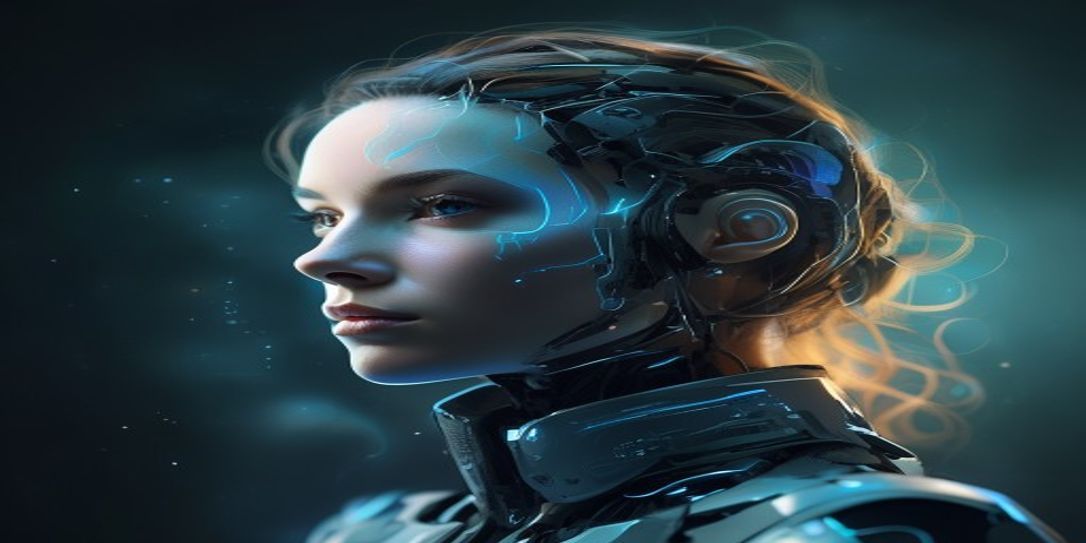
For years, the dominant narrative around artificial intelligence in the workplace has been one of displacement and job loss. However, a quiet revolution is underway, challenging this assumption. The latest wave of enterprise AI tools is not primarily designed to replace workers, but to fundamentally reshape their daily tasks, creating a new paradigm of "augmented work."
The Augmentation Imperative
Instead of targeting whole roles for automation, companies like Microsoft, Salesforce, and a slew of specialized startups are deploying AI that acts as a co-pilot. These tools embed themselves into the flow of existing software—email clients, design suites, coding environments, and CRM platforms. Their function is to handle the "grunt work": drafting routine communications, summarizing lengthy documents, generating initial code blocks, or sifting through massive datasets for insights.
"The focus has shifted from automation to amplification," says Dr. Anya Sharma, lead researcher at the Stanford Institute for Human-Centered AI. "We're seeing a productivity layer being added to virtually every knowledge worker's toolkit. The question is no longer 'Will AI take your job?' but 'How will your job change when you partner with AI?'"
The Data Behind the Trend
Recent industry reports underscore this shift. A 2024 survey by Gartner indicates that 78% of organizations implementing AI are doing so to enhance existing employee capabilities, a figure that has doubled in two years. Furthermore, productivity metrics in pilot programs show a 15-20% reduction in time spent on administrative tasks, allowing employees to reallocate effort toward strategic thinking, client relations, and creative problem-solving.
The Unseen Challenges
This transition is not without friction. This new layer of work creates novel challenges:
- Skill Erosion: Over-reliance on AI for drafting, analysis, or coding could lead to the atrophy of fundamental professional skills.
- The Opaque Colleague: When an AI assistant generates an analysis, the "why" behind its reasoning can be obscured, complicating accountability and critical evaluation.
- The New Digital Divide: Access to advanced, company-paid AI augmentation may create a tiered workforce, where some employees are super-powered while others are left with manual tools.
The Road Ahead
The next frontier is moving from task-based assistance to true workflow integration. AI systems are beginning to learn individual work patterns, proactively suggesting connections between projects, managing low-priority communications autonomously, and even predicting bottlenecks before they occur.
The true impact of AI on the future of work may not be measured in pink slips, but in the silent, steady transformation of the workday itself. The job title on your business card may stay the same, but the nature of the work beneath it is changing forever.