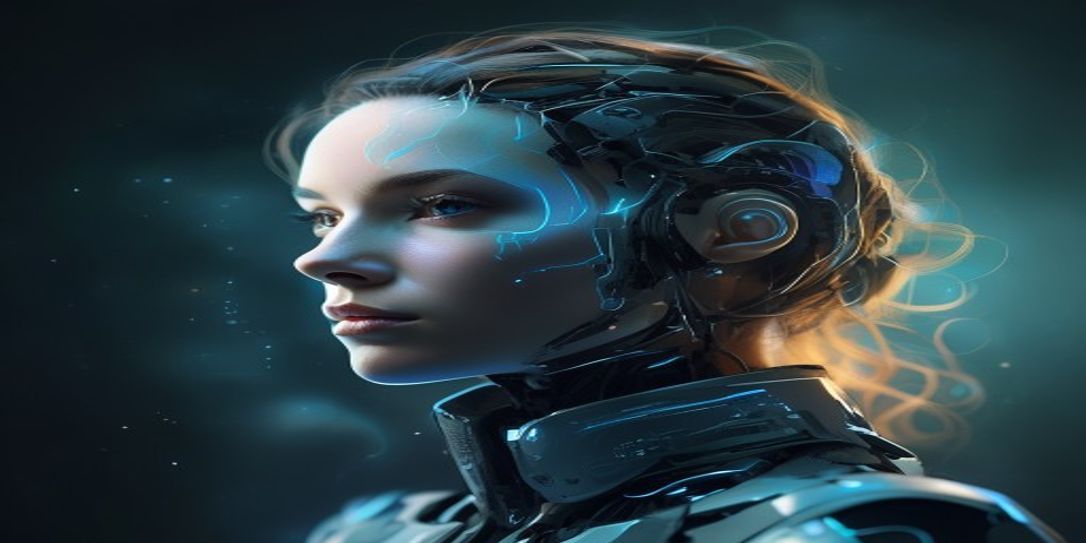
The narrative around artificial intelligence has long been dominated by a binary debate: job creation versus job destruction. Headlines warn of mass unemployment, while tech CEOs promise a future of unparalleled productivity. But a quieter, more profound transformation is underway in offices, factories, and studios worldwide. AI isn't just replacing or creating jobs; it is fundamentally redefining the very substance of existing roles.
The Disaggregation of the Job Description
Historically, a job was a bundled package of tasks. A marketing manager analyzed data, wrote copy, planned campaigns, and reported results. Today, generative AI tools are unbundling these roles. The analytical and content-generation components are increasingly augmented—or even automated—by AI assistants. This forces a critical evolution: the human role is pivoting towards high-level strategy, nuanced emotional intelligence, cross-functional orchestration, and managing the AI tools themselves. The job title may remain, but its daily reality is undergoing a silent revolution.
The Rise of the "AI Whisperer"
This shift is birthing a new class of in-demand skills centered not on performing a task, but on guiding AI to perform it optimally. Prompt engineering is the most visible example, but the deeper skill is workflow redesign. The most valuable employees are becoming those who can dissect a complex process, identify which components can be effectively delegated to AI, and seamlessly reassemble the workflow for maximum efficiency and quality control. This role requires a hybrid mindset: part domain expert, part tech integrator.
The Productivity Paradox 2.0
Early data presents a conundrum. Studies, like those from MIT and Stanford, show significant productivity boosts for individuals using AI for specific tasks—sometimes over 40%. However, company-wide profitability and output metrics are not yet seeing a correlating dramatic spike. Analysts suggest we are in a transitional "installation phase," where gains are isolated and the cost of restructuring workflows and retraining staff offsets initial benefits. The true macroeconomic impact will likely come only after this period of organizational digestion.
The New Digital Divide
A new inequality is emerging, not in access to the technology, but in the mandate and training to use it effectively. Some forward-thinking corporations are investing heavily in systematic AI literacy programs, empowering entire workforces. Others are leaving adoption to individual initiative, creating pockets of high efficiency alongside teams using the same tools minimally or ineffectively. This internal "AI adoption gap" may become a greater determinant of corporate competitiveness than the technology alone.
Beyond the Office: Creative Co-Pilots
The transformation extends far beyond spreadsheets and reports. In software development, GitHub Copilot suggests over 40% of code in some projects, turning a coder’s focus from syntax to architecture. In design, tools like Midjourney and Adobe Firefly are not replacing artists but demanding they become expert curators and directors of an AI's raw output. The creative act is shifting from generation to iteration and editing at an unprecedented scale.
The story of AI and work is no longer a simple tale of automation. It is a complex, ongoing recalibration of the human-machine partnership. The most significant change may not be on the payroll, but in the daily lived experience of work itself—a silent shift from "doing" to "directing," with profound implications for skills, education, and the structure of every industry.